
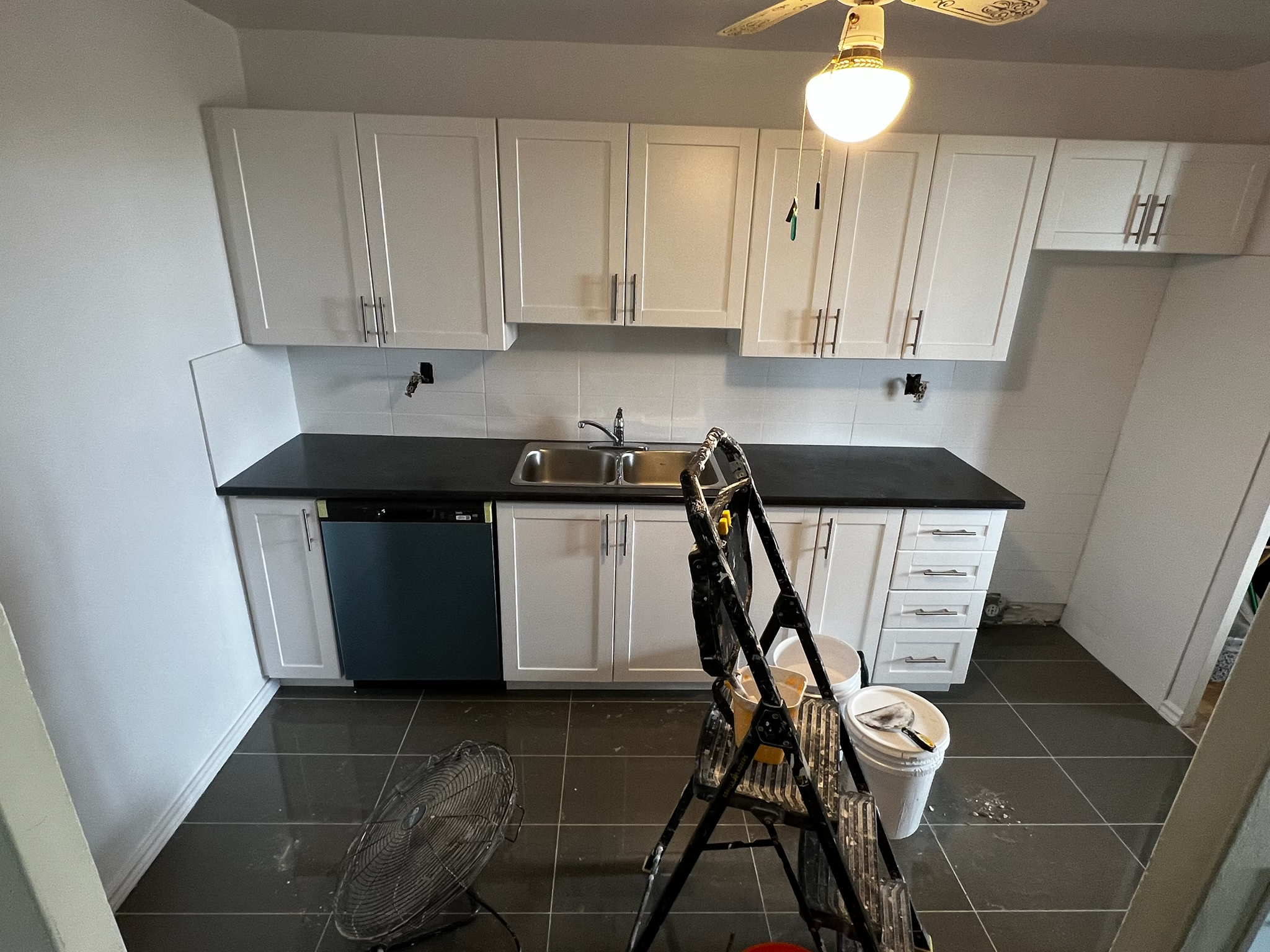
Start with scope, not a single number
A useful renovation budget begins with what is actually changing. List the rooms, demolition, layout changes, building services, fixtures and finish work before choosing a target number.
Separate must-have work from upgrades that can be priced as options. This makes it easier to protect the core project when selections or existing conditions change.
- Rooms and areas affected
- Items being removed, repaired or retained
- Layout and service changes
- Owner-supplied and contractor-supplied items
Understand allowances and exclusions
An allowance is not a confirmed price. It is a placeholder for an item that has not been selected or fully measured. Ask what quantity, tax, delivery and installation the allowance covers.
Exclusions matter just as much. A clear estimate should identify work that is not included so it does not become an expensive surprise later.
Keep a reserve for real unknowns
Renovations can reveal conditions that were concealed by walls, floors or previous finishes. A reserve should be kept separate from the planned upgrades and used only when the condition is documented and the response is approved.
The appropriate amount depends on the age, condition and complexity of the property. It should be discussed in relation to the actual project rather than copied from a generic percentage online.